Why pre-application planning matters more than ever
Why pre-application planning matters more than ever
Pre-application planning has long been encouraged by local authorities as a way to improve the quality of planning submissions. In recent years, however, it has become far more important than simply good practice. Changes to the planning environment mean that early engagement can now play a decisive role in whether a project succeeds or fails.
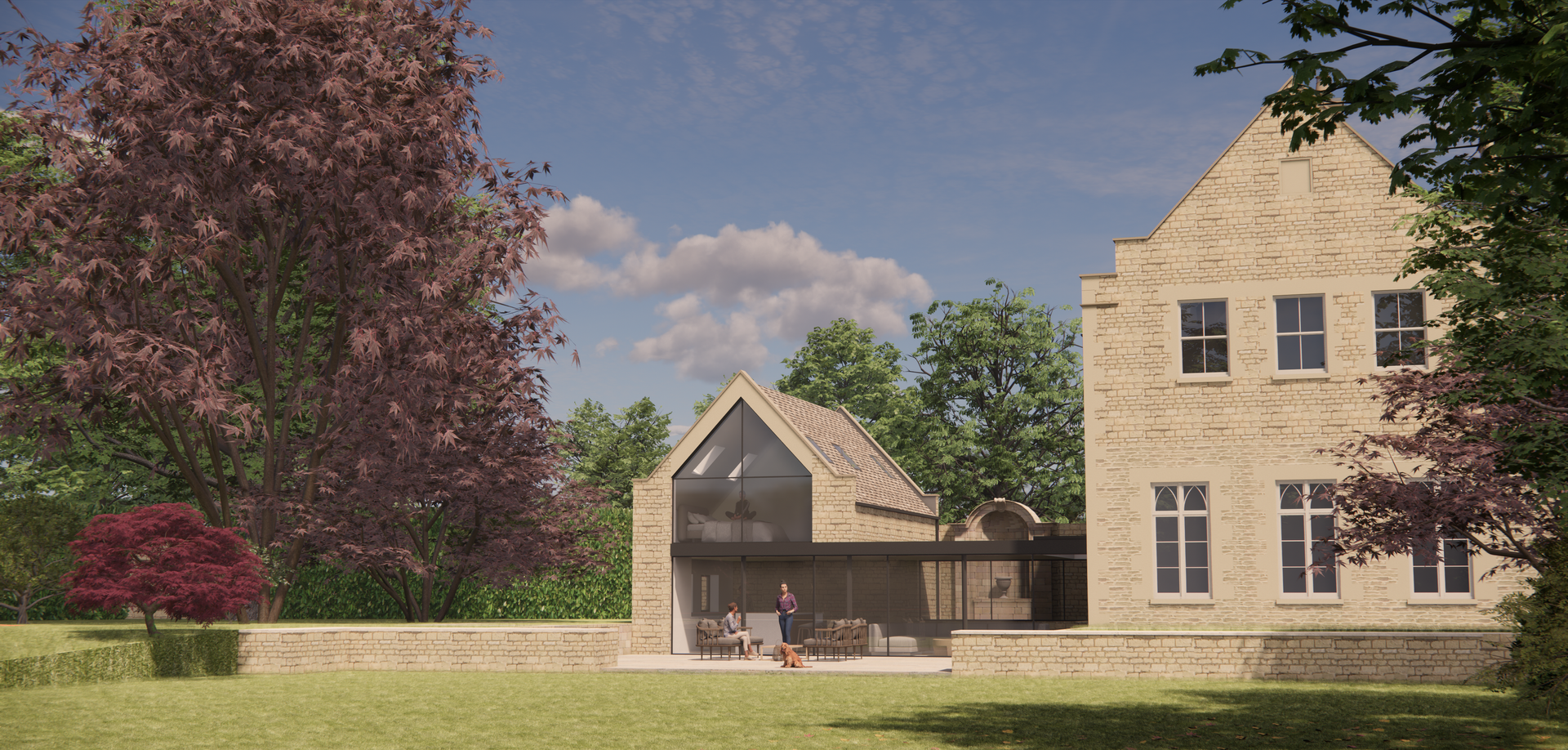
From our own experience, the pre-application process has recently been instrumental in achieving positive outcomes for projects that might otherwise have faced refusal — particularly where proposals are contemporary in nature or challenge established local character.
What is pre-application planning?
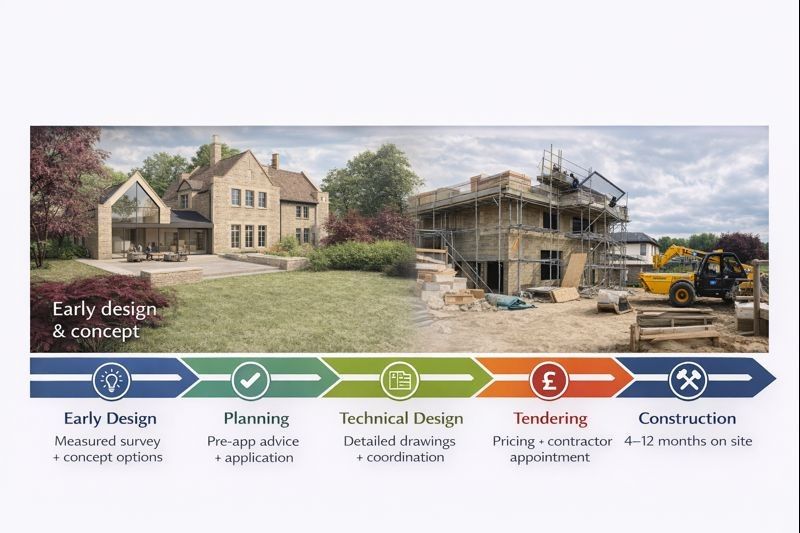
A pre-application is an informal submission made to the local planning authority before a full planning application is submitted. It allows planning officers to review a proposal in principle and provide written feedback on matters such as design approach, scale, layout, and policy interpretation.
The aim is not to secure planning permission, but to identify potential concerns early and understand how a proposal can be shaped to align with planning policy and local priorities before statutory deadlines apply.
Why early engagement is increasingly important
The planning system has changed. Application fees have increased, opportunities for fee-free resubmissions have been removed, and local authorities are under greater pressure to determine applications within fixed statutory timescales.
As a result, there is now far less scope for negotiation once an application is live. Where concerns arise late in the process, planning officers may be more likely to issue refusals rather than extend deadlines to seek amendments — particularly if no prior discussions have taken place.
In this context, pre-application engagement has become one of the most effective ways to manage planning risk.
Turning challenging proposals into successful outcomes
We have seen first-hand how valuable the pre-application process can be. In several recent projects, early engagement with planning officers has allowed us to test and refine proposals that were architecturally ambitious or deliberately contemporary in character.
Through constructive dialogue at pre-application stage, we were able to understand specific concerns, respond to policy sensitivities, and adjust aspects of the design without compromising its intent. In many cases, these discussions helped establish officer support in principle, meaning that when the formal application was submitted, it was assessed in a far more informed and positive context.
It is fair to say that some of these schemes — particularly modern designs in sensitive settings — may well have been refused had they been submitted without this early engagement.
Why pre-applications benefit clients
A well-prepared pre-application can:
- identify planning risks before application fees are paid
- test design principles without statutory pressure
- reduce the likelihood of refusal
- avoid costly redesigns and resubmissions
- provide greater confidence before committing to a full application
While a positive pre-application response does not guarantee planning permission, it significantly improves clarity and reduces uncertainty.
Is a pre-application always necessary?
Not every project requires a pre-application. Straightforward proposals that clearly comply with policy may proceed successfully without one.
However, for projects involving contemporary design, sensitive sites, larger extensions, or proposals that push policy boundaries, early engagement is often critical. An architect can advise whether a pre-application is appropriate and how much detail is required to make it meaningful.
The role of the architect
Pre-applications are most effective when they are strategic rather than speculative. A considered submission frames the right questions, presents the proposal clearly, and demonstrates an understanding of planning policy and local context.
Rather than asking “will this be approved?”, a good pre-application explores how a proposal can be made acceptable — creating a collaborative dialogue rather than a defensive one.
In summary
With higher fees, tighter deadlines, and reduced scope for negotiation during live applications, the planning process has become less forgiving. In this environment, pre-application planning is no longer an optional extra for many projects.
Early engagement can make the difference between refusal and approval — particularly for modern, design-led schemes. When used well, the pre-application process allows ambition to be tested, refined, and ultimately realised.